

-
Posljedice Corona virusa na Dinamo i na nogomet općenito?Recimo Bergman kao član uprave Dinama je za neke ljude ovdje govno, a kao HZZO-ovac nepobitan autoritet.
Kad prestaje nečovještvo gospodina Bergmana? U ponoć kao korona ili...
https://vijesti.hrt.hr/600804/korona-svjedocanstvo -
Posljedice Corona virusa na Dinamo i na nogomet općenito?Da, općenito su različita mišljenja društveni deficit. Jednoumlje i puška, to se traži.
-
Kladionica
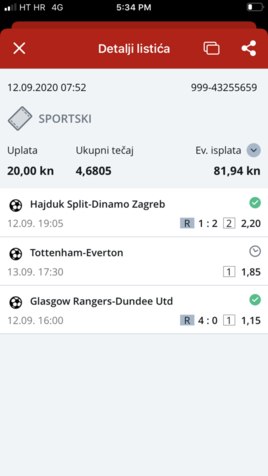
Pa koji bi ti ovo bio koeficijent...? Probao sam raditi listiće sa koeficijentom izmedju 4 i 5...
Ovaj je ok...
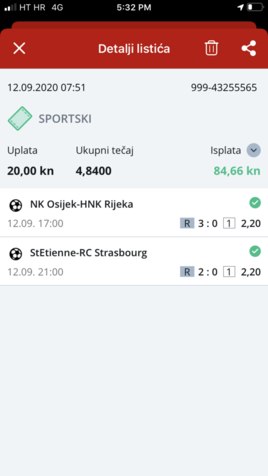
Ovaj čeka Spurse i Everton sutra.
-
1. HNL 2020/2021Baš čitam onaj tekstić na Telegramu i kako je NH-ovcima novo normalno otprilike ko maska u javnom prijevozu poraz do Dinama na Poljudu nakon što 9 godina voze svojom dugom cestom.
Znači ako možemo definirati strategije klubova;
Dinamo
- biti prvi u HNL-u, imati 2 jake momčadi (Lokomotiva je druga naravno) i plesati na rubu regularnosti kroz posudbe i prodaje s mogućnošću ponovne kupnje igrača
- europske ambicije svode se na ulazak u skupine europskih natjecanja i to prvenstveno zbog izloga za prodaju igrača, a manje zbog rezultata u skupinama
- financijski biti svake godine na nuli - koliko god se uprihodi spiskati sve do zadnje lipe i primijeniti istu strategiju iduće godine
Što zbog konkurencije koja se slabo može nositi s Dinamom u HNL-u, što zbog objektivne vrijednosti igrača i stručnog stožera što ih čini kraljevima europskih kvalifikacija, u kontinuitetu se ostvaruje strategija garniture koja vlada.
Rijeka
-biti drugi u HNL-u i osvojiti Kup, probati ući u Ligu Uefe
-prodati čim više igrača, dovesti zamjene i cijelu priči zavrtjeti u krug
-probati vratiti kredit u koji se Mišković uvalio na Rujevici
Iako imaju manji budžet od Hajduka, osim bljeska Lokomotive prošle sezone HNL-a, kroz višestruka osvajanja Kupa i uglavnom drugu poziciju uz onaj čudni naslov sve svoje strategije ostvaruju. Zbog stalne prodaje igrača im teško uspijeva proći europske kvalifikacije, nemaju kontinuitet i najbolji europski rezultat im je donio Kek uz vagon igrača iz Maksimira i sa Kajzerice.
Realno, ajmo reći da svoju strategiju u dobroj mjeri ostvaruju.
Osijek
-ok, nova sila koja je pokazala ambiciju kroz projekt stadiona i ugovor sa Bjelicom i stožerom na tri godine
- htjeli bi do nekog rezultata, ali su si pucali u noge prodajama Hajradinovića, Mudražije, Barišića u trenucima kad su imali europske kvalifikacije, ali očigledno je da u tom trenutku je ta ambicija bila samo verbalna
-angažmanom Bjelice, Bule i ostalih su otvoreno pokazali da ih zanima pozicija broj 2 i sve drugo bilo bi neozbiljno
Ajmo im dati ovu sezonu i ocijeniti da li će njihova stategija upaliti.
Vezano za ostale, bilo bi mi neobično drago da Gorica izraste u klub koji će igrati ono novo europsko natjecanje, ali čisto sumnjam da će izrasti do tog nivoa.
Lokomotivina strategija je jasna i oni svoju ulogu odradjuju totalno u skladu sa strategijom.
Zna li itko koja je strategija Hajduka i kaj oni žele od tog kluba?! -
Dinamo Zagreb 2020/2021. - O svemu pomaloProsječni čovjek koji se zajebava i radi koliko želi to može raditi uz svoj posao 50 godina.
Nogometaš se može zajebavati i igrati nogomet 15 godina, a onda mu slijedi druga karijera koja se često svodi na trošenje para koje se zaradilo u relativno kratkoj nogometnoj epizodi.
Zarade im jesu debelo natprosječne, ali i potrošnja im je isto takva, svi znamo statistike o bankrotima umirovljenih sportaša. -
Transferi - raspraveubačaji nije los — Bosna86
Općenito golmani premalo izlaze na kornere. Lopta za onaj korner koji je primio za 3:2 je bila na petercu. Pa nije li to GOLMANOV prostor. Čak je standard da se svira faul ako netko dotakne golmana u tom prostoru.
Ne ide direktno Livakovića, općenito mi je nejasno koliko golova pada nakon kornera. Nisam baš radio nekakvo istraživanje, ali mi se čini da su old school golmani značajno više izlazili na te udarce iz kornera.
Možda to ima i veze sa time da se sve manje stavljaju obrambeni igrači na stative o slučaju kornera pa se računa da će igrači odraditi taj posao. U svakom slučaju bi se netko tko radi analitiku u stručnom stožeru trebao pozabaviti time jer, po meni, jako puno jetfinih golova se zabija nakon kornera. -
Dinamo Zagreb 2020/2021. - O svemu pomaloI takav je izmislio nogomet za pol hrvatske repke — Morales7
Daleko od toga da nije dobar igrač, ali nisi li malo pregrub. Svaki iz napadačkog terceta koji je igrao je bio strijelac i na SP, Kramarić je prije koji tjedan Dortmundu zabio 4 gola.
Neka nas Petković demantira, ali ne izgleda baš kao da mu je fokus na nogometu. Kužim da je nakon višegodišnje frustracije doživio ekstazu jer mi se u godinu dana vratilo sve ono za što je trenirao cijeli život, a to mu je izgledalo totalno nedostižno pa sad kad je dotaknuo zvijezde misli da će sve ići samo od sebe. E pa neće. Ako Ronaldo može trenirati ko konj, ako imaš jednog Ramosa koji ne propusti ni jedan trening, onda bi se i Bruno trebao ugledati na njih.
Općenito su mi nevjerojatne te pauze zbog raznoraznih ozljeda kod Dinamovih igrača. Recimo pogledajmo Benkovića koji nije mogao spojiti tri utakmice u Dinamu i opet se prodao za grde novce.
I opet se ispostavilo da netko tko nema kontinuitet nastupa u HNL-u, neće ga imati ni vani.
Gledajući Petkovića u tom kontekstu, odigrao je dobro protiv Portugala i možda je trebao igrati i protiv Francuske. Ali s druge strane, nije li sad i komunikacija iz Dinama da na Poljudu igra Gavranović, a u Pešti Petković...? Tak da ni u Dinamu neće spojiti dva nastupa u 5 dana.


Mali dioničar

Start FollowingSend a Message